Live patient experience
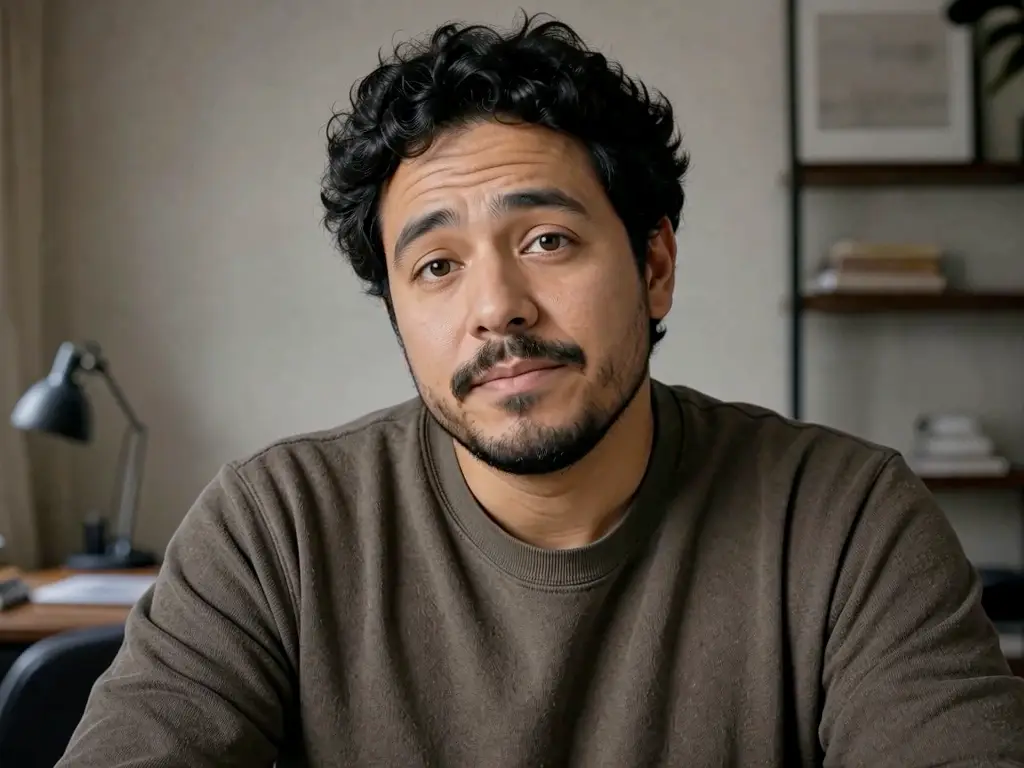
“What can I eat now?”
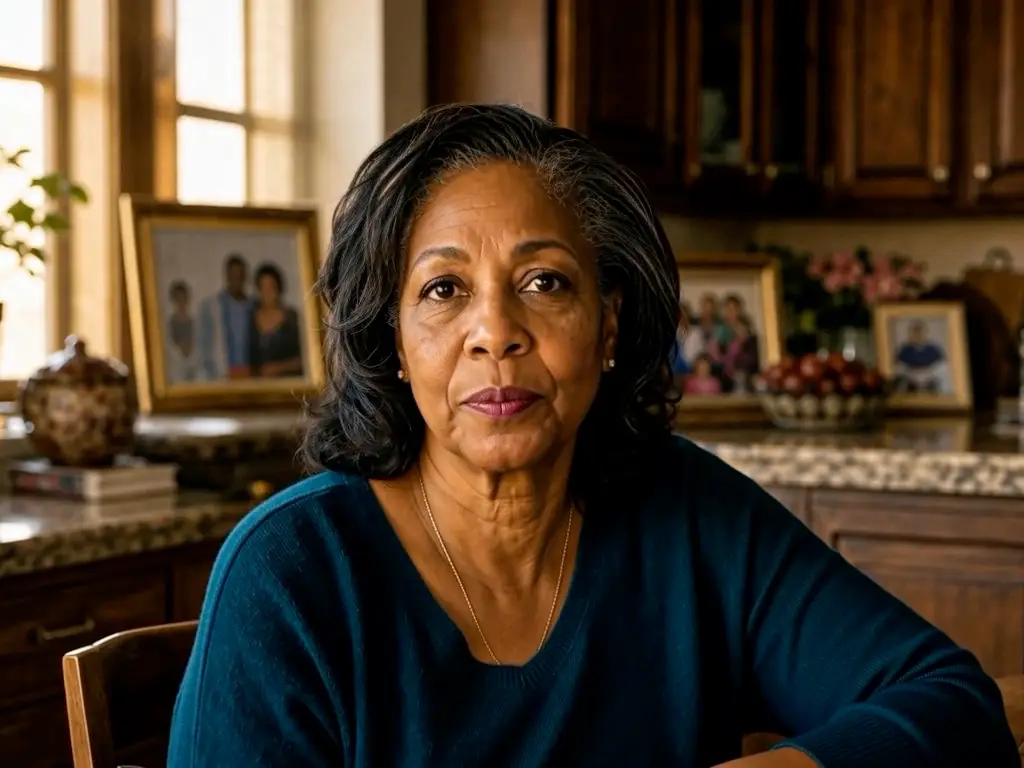
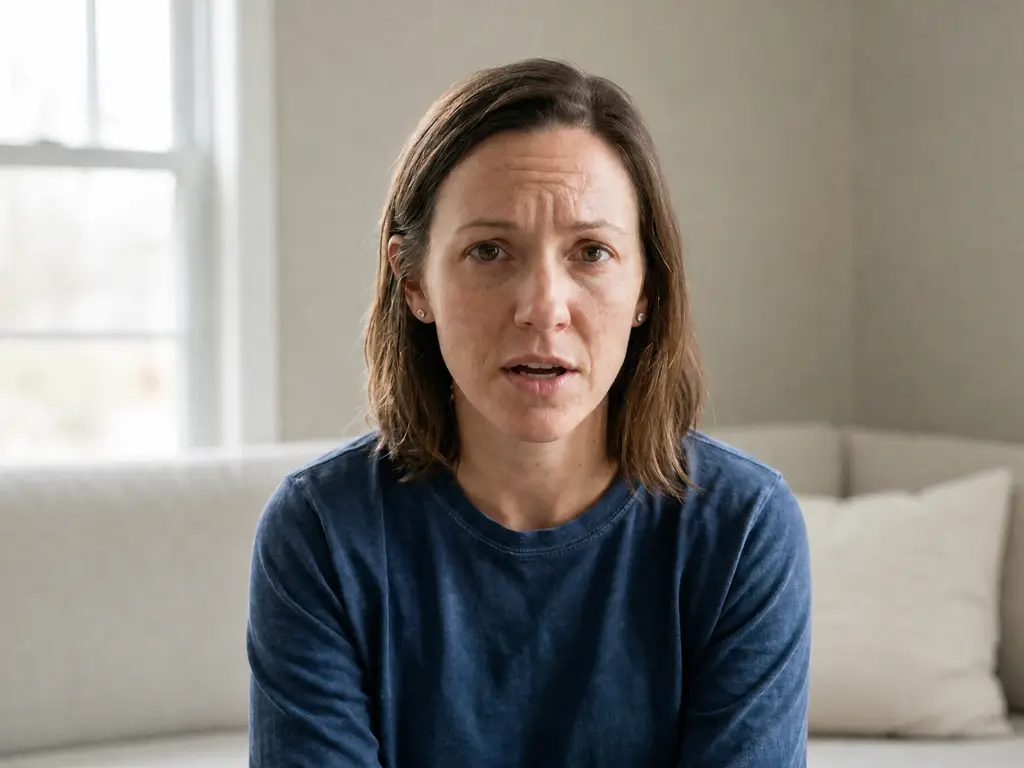
Health Convos provides conversational patient education for diagnosis, discharge, medication, and follow-up. The clinical encounter may end before a patient has processed what the care plan means in real life, so the conversation continues with empathetic video responses patients can explore privately.
Live patient experience
Diabetes conversation, slide 1 of 3
Questions, fear, cost, transportation, family pressures, medication concerns, and uncertainty emerge after the encounter. When follow-up is delayed or avoided, the condition can return harder and more expensive to manage. See how health systems can continue patient education after the encounter.
The patient leaves with instructions and a clinical plan.
Unanswered questions and practical barriers collide with the plan.
Continuity, trust, and the opportunity for timely follow-up are put at risk.
Each module contains relatable characters with coherent journeys through diagnosis, uncertainty, decisions, setbacks, and forward movement. Patients can recognize their own experience, respond emotionally, and continue following a character from beginning to end.
Patients begin with what is actually on their mind, in their own words.
Approved video responses surround clinical information with lived human experience.
The conversation helps patients understand appropriate actions without inventing medical advice.
Viewer messages are screened, processed transiently, and never stored. AI determines message intent; only non-identifying intent contributes to aggregate reporting. See how HealthConvos approaches patient intent without patient profiles.
A patient submits a question. Identifying material is screened.
The original message disappears; its non-identifying intent routes an approved response.
Trends reveal recurring concerns and gaps where new reviewed content is needed.
Keep more patients connected to the care they have already begun. Explore the health-system business case for patient education.
Create a direct, private patient channel that begins with trust—not targeting.
Extend understanding and empathy beyond the clinical setting.
Even an experienced medical educator can leave a procedure unsure of the aftercare instructions. Read why patients need explanations they can return to after the visit.
Start with one bounded transition—diagnosis, discharge, medication initiation, or follow-up. We can help you map the questions patients carry home and shape a focused pilot around the character journeys, video responses, and next steps that matter most.
Start with the guide to patient education vendors, then compare the four patient-education platform operating models. Use the RFP guide to evaluate the missing layer.